Single ply membrane roofing has evolved over the years to become one of the most popular roofing solutions for commercial and industrial buildings. Here's a brief history of its development:
1. **Early Beginnings:**
The concept of single ply membranes traces back to the mid-20th century when the need for lightweight, durable, and waterproof roofing materials became apparent. Early versions of single ply membranes were typically made from rubber compounds, including ethylene propylene diene monomer (EPDM) and chlorosulfonated polyethylene (CSPE), commonly known as Hypalon.
2. **Emergence of EPDM:**
EPDM emerged as one of the first commercially successful single ply membrane materials in the 1960s. EPDM, a synthetic rubber compound, offered excellent resistance to ultraviolet (UV) radiation, ozone, and weathering, making it suitable for a wide range of roofing applications.
3. **Advancements in Thermoplastics:**
In the 1970s and 1980s, thermoplastic single ply membranes gained popularity, particularly polyvinyl chloride (PVC) and thermoplastic olefin (TPO). These materials offered improved durability, flexibility, and weldability compared to traditional rubber membranes.
4. **Introduction of PVC and TPO:**
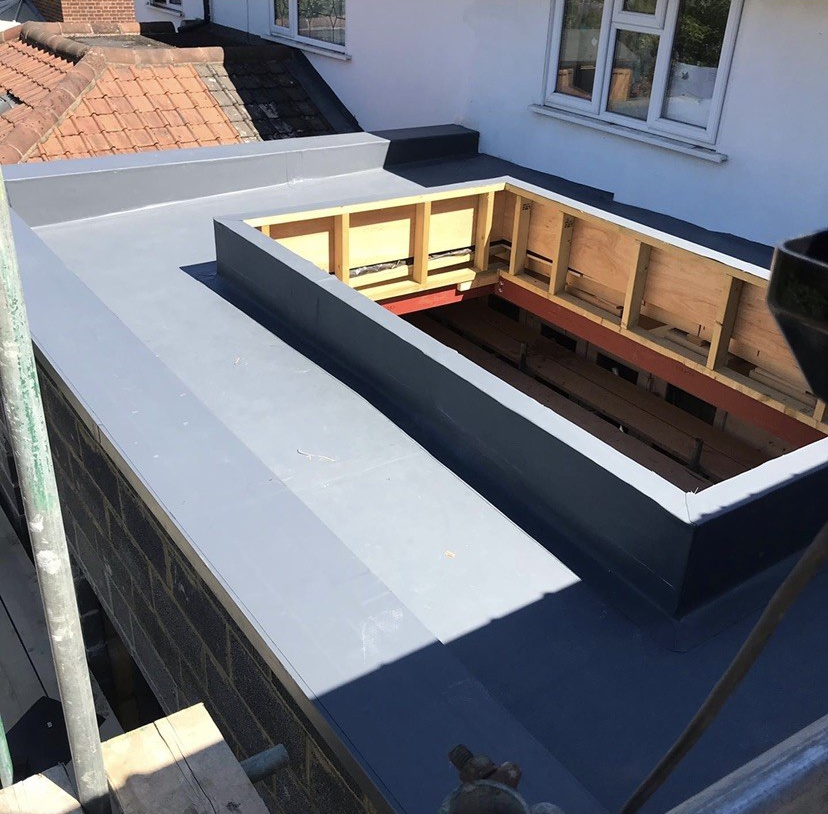
PVC membranes, composed of polyvinyl chloride polymer reinforced with polyester or fiberglass, provided exceptional resistance to chemicals, grease, and fire. TPO membranes, made from a blend of polypropylene and ethylene propylene polymers, offered similar benefits along with enhanced resistance to heat and UV radiation.
5. **Technological Innovations:**
Over the years, advancements in manufacturing processes and materials technology have led to the development of highly engineered single ply membranes with improved performance characteristics. These advancements include enhanced seam strength, better puncture resistance, increased flexibility in cold temperatures, and improved environmental sustainability.
6. **Rise in Popularity:**
Single ply membrane roofing systems gained widespread acceptance in the commercial roofing market due to their ease of installation, lightweight design, energy efficiency, and long-term durability. They are commonly used for flat and low-slope roofs in various industries, including retail, healthcare, education, and manufacturing.
7. **Code Compliance and Standards:**
As single ply membrane roofing systems became more prevalent, industry organizations and regulatory bodies established standards and guidelines to ensure quality and performance. These standards address installation practices, material specifications, fire resistance, and environmental considerations.
8. **Continued Evolution:**
Today, single ply membrane roofing systems continue to evolve with ongoing research and development efforts focused on enhancing performance, sustainability, and resilience. Modern single ply membranes offer a wide range of options to meet the specific needs and requirements of building owners, architects, and contractors.
Overall, the history of single ply membrane roofing reflects a progression from early rubber-based materials to advanced thermoplastic formulations, driven by the need for cost-effective, reliable, and sustainable roofing solutions in the commercial construction industry.


© Copyright 2026 | Privacy Policy
